What began as one of New York’s most infamous cases of wrongful conviction now stands as a testament to survival, solidarity, and systemic change.
The Parents and Family of the Central Park Five
- Mother:
Linda McCray
- Stepfather:
Bobby McCray
- Key Detail:
Bobby McCray famously encouraged Antron
to confess to the police, believing it would allow the boy to go home.
– Antron has expressed deep resentment toward his father for this action in later years.
- Mother:
Doris Richardson
(Note: The Netflix series When They See Us highlights his older sister,
Angie Richardson, as a primary supportive figure). - Father: Documentation from the case notes his father was ill during the trial and later passed away.
- Father:
Raymond Santana Sr.
- Key Detail:
Santana Sr. has remained a vocal advocate for his son and was a visible figure during the fight for exoneration and the subsequent $41 million settlement.
- Mother:
Sharonne Salaam
- Key Detail:
Sharonne Salaam
was a fierce public advocate for her son throughout his imprisonment and was an educator who founded “Justice 4 the Wrongfully Convicted”.
- Mother:
Delores Wise
- Key Detail: Wise was the only one of the five to be tried as an adult (he was 16) and served the longest sentence. His relationship with his mother was complex, as depicted in the DuVernay miniseries, partly due to the immense strain the case placed on their family.
- Antron McCray’s Parents: Antron’s father, Bobby McCray, was present during his son’s interrogation. Under intense police pressure, Bobby McCray convinced his son to confess to the detectives, believing it was the only way to help him, a moment often highlighted as a deeply tragic aspect of the case.
- Yusef Salaam’s Family: Salaam has spoken about how his family and faith were vital in getting him through seven years in prison.
- Korey Wise’s Family: Korey Wise, the oldest of the group, was in prison for 13 years. During this time, his sister, Marci, was killed.
In 2002, the district attorney withdrew charges that the “Central Park Five” had attacked a female jogger in 1989 and their convictions were vacated.
The mothers of the men shared their reactions to ABC News.
Validation and Relief: The mothers highlighted that while the legal “stain” was technically removed, the years of public vilification and labels as “animals” by the media and public figures left lasting scars on their families.Advocacy for Others: Instead of simply moving on, mothers like Sharonne Salaam became powerful advocates for legislative change, supporting bills to help others wrongfully incarcerated in New York.Bitter-Sweet Justice: While ecstatic to have their sons’ names cleared, the families often noted that the real perpetrator, Matias Reyes, had remained free for years while their sons were imprisoned, leading to more victims during that time.
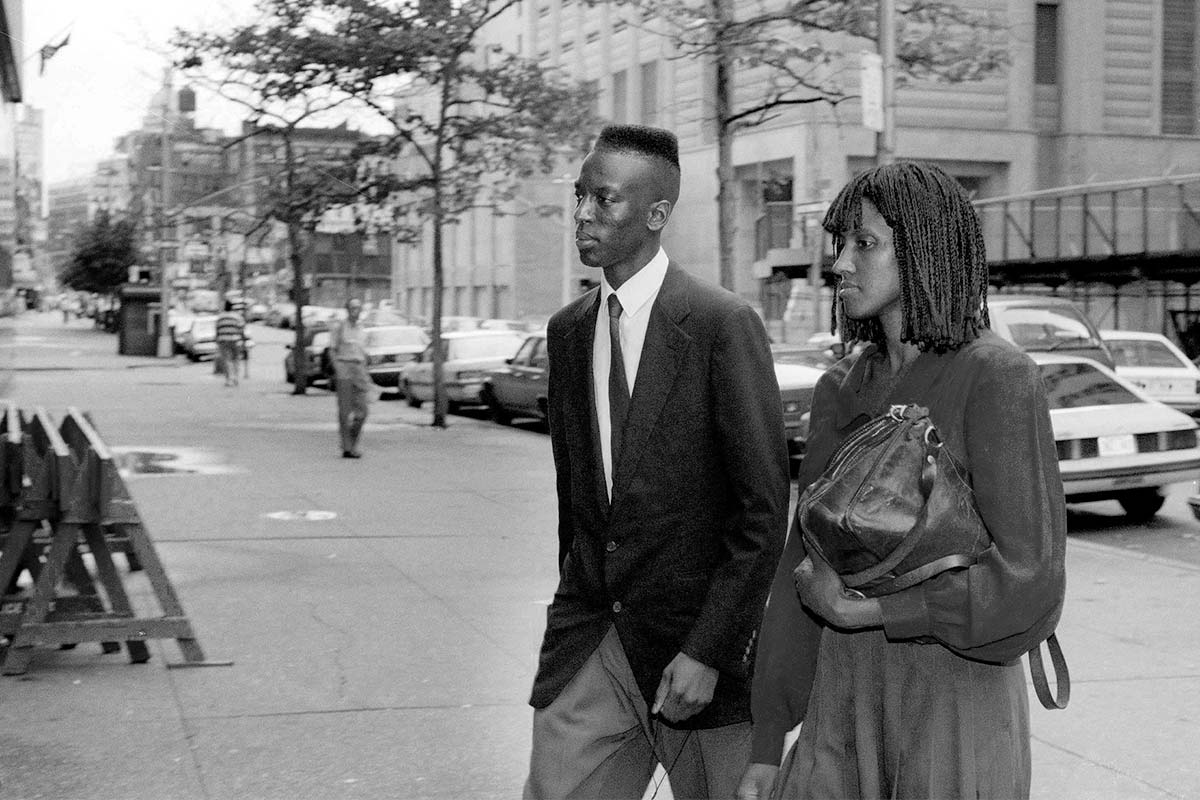
In this Aug. 11, 1990 file photo, Yusef Salaam enters State Supreme Court in Manhattan with his mother, Sharonne Salaam, on the third day of deliberations in the Central Park jogger trial. (Image: Phillip Schoultz/AP Photo)
- Initial Struggle: The mothers faced immediate pressure and public condemnation following the 1989 attack, with many facing difficulties navigating a legal system that presumed their children guilty.
- Solidarity and Support: They maintained their sons’ innocence throughout the trials and subsequent incarceration, frequently speaking out against the injustice.
- Exoneration: In 2002, when convictions were vacated based on DNA evidence and a confession from a serial rapist, the mothers reacted with overwhelming relief, though they expressed lasting pain over the stolen years.
- The Storytelling: Their, and their sons’, fight for justice was highlighted in various documentaries and the Netflix series When They See Us.
Mothers of ‘Central Park Five’ react to convictions being vacated.
–
- Her Role: She was a fierce, highly visible activist who organized community rallies, challenged the legal system, and refused to let the city ignore the inconsistencies in the case. she described the moment as a “triumph of truth” but remained vocal that a vacate order could not erase the psychological damage or stolen childhoods.. After the exoneration, she continued her advocacy and heavily influenced the renaming of a northern Central Park entrance to the Gate of the Exonerated in 2022.
- Portrayed by: Aunjanue Ellis.
- Her Role: Linda steadfastly protected her son through a highly stressful interrogation and trial. She famously expressed the immense emotional toll of the ordeal. Upon the District Attorney’s recommendation to clear her son, she told reporters, “To really breathe and really take a deep breath and not have to go back under — you don’t know how good it feels.”.
- Portrayed by: Marsha Stephanie Blake – (who received an Emmy nomination for the performance).
- Her Role:Deloris was a single mother who faced compounding tragedies. While her son Korey—the oldest of the boys—served the longest and harshest sentence in maximum-security adult prisons, her transgender daughter, Marci, was tragically murdered. The case took a massive toll on her health and family structure.
- Portrayed by: Niecy Nash – (who won critical acclaim and an Emmy nomination for the role).
- Her Role:Grace maintained a tight-knit, deeply supportive family network around Kevin throughout his seven-year prison sentence. Alongside Kevin’s older sister, Angie, she protected and shielded him from the intense public backlash in New York City.
- Portrayed by: Actress Niecy Nash portrayed Deloris Wise, while Kevin’s family support structure was primarily represented onscreen through his sister Angie (played by Kylie Bunbury).
- Her Role: Raymond Santana’s biological mother passed away when he was a young child, leaving him to be raised by his father, Raymond Santana Sr.. During the period of his arrest, his father was in a relationship with a stepmother, with whom Raymond had a highly strained and volatile relationship that worsened after his release.
- Portrayed by: Because his biological mother was deceased at the time of the 1989 events, she was not featured in the timeline of When They See Us.
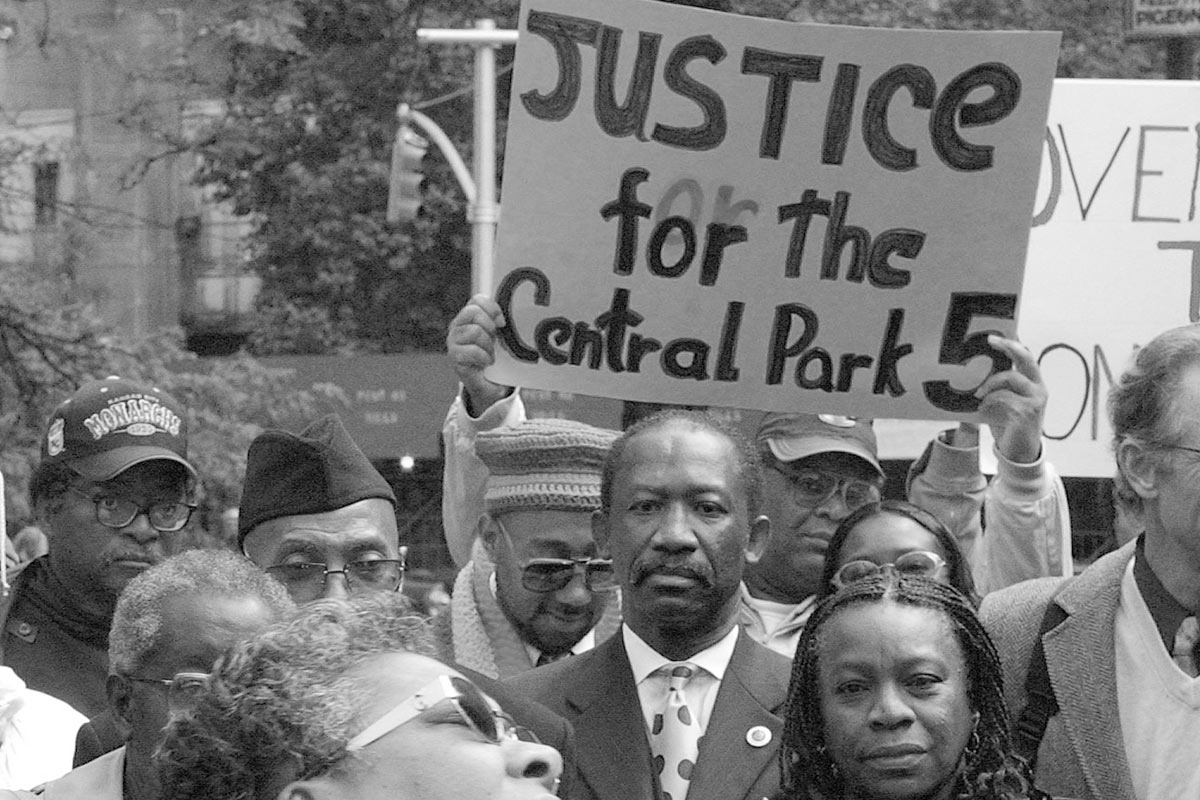
Oct. 21, 2002—Supporters rally in front of Manhattan Supreme Court to demand the 1990 convictions of Yusef Salaam, Korey Wise, Antron McCray, Kevin Richardson, and Raymond Santana be overturned. (AP Photo/Robert Mecea)
NO COPYRIGHT INFRINGEMENT INTENDED
© Dale Ricardo Shields 2026