The History of Texas Convict-Leasing
The convict-leasing system has often been described by historians as “slavery by another name”. It was a state-sanctioned practice that emerged directly out of the ashes of the Civil War.
- The Loophole: The 13th Amendment abolished slavery across the United States except as a punishment for a crime.
- The Criminalization: To exploit this loophole, Southern states passed “Black Codes”—laws that criminalized minor behaviors like homelessness, unemployment, or changing employers without permission.
- The Profit: Texas, facing an empty treasury and unable to afford prisons, began renting out incarcerated Black men to private corporations and plantation owners for a fee.
- Brutal Incentives: Under traditional slavery, slave owners had a financial interest in keeping a person alive. Under convict-leasing, private companies leased prisoners for a low cost. If a prisoner died from exhaustion, disease, or abuse, the state simply supplied a replacement.
- The Sugar Connection: In Sugar Land, the state leased thousands of convicts to massive sugarcane operations, including the Bullhead Convict Labor Camp and plantations that later became the Imperial Sugar Company.
- The End of the System: Following a string of investigative newspaper exposés detailing horrific abuses, public outrage forced Texas to officially abolish convict-leasing by 1912.
–
The DNA Identification Project
Because the victims were buried in unmarked graves without names, a massive scientific effort is underway to restore their identities and rewrite them into history.
The Principal Research Group (a non-profit partnership of geneticists, genealogists, and archaeologists) is utilizing Forensic Investigative Genetic Genealogy (FIGG) to analyze ancient DNA extracted from the remains. They compare these profiles against modern DNA databases to find living descendants. The project achieved a major milestone by identifying the very first living descendants of an individual known as “Marker 54”.
–
How the state of Texas economically profited from this specific labor.
The state of Texas turned its prison system from a massive financial burden into its single largest source of revenue by economically exploiting convict labor.
Before convict-leasing, prisons cost Texas taxpayers massive amounts of money. By renting out human beings, the state completely erased its debt and generated modern-day millions in pure profit.
1. Generating Massive State Revenue
Private plantation owners paid the state of Texas flat monthly fees for every convict they leased.
- The Fees: Plantation owners paid the state roughly $15 to $20 per month per prisoner (equivalent to roughly $500 to $600 per month today).
- The Windfall: Historical ledgers from the late 1800s show that convict-leasing brought in hundreds of thousands of dollars annually to the Texas treasury. By 1880, the system generated over $250,000 in annual net profit for the state (equivalent to over $7.5 million annually today).
2. Eliminating Overhead Costs
Under the leasing contracts, the state shifted all operational liabilities onto private businessmen while pocketing the revenue.
- Zero Cost for Care: Private lessees were legally responsible for feeding, clothing, housing, and guarding the convicts.
- No Pension or Liability: If a worker was permanently maimed by machinery or died from disease, the state faced zero financial liability, workers’ compensation claims, or funeral costs.
3. Subsidizing the State Infrastructure
The profits generated from the sugarcane fields of Sugar Land directly funded the growth of modern Texas institutions.
- Funding the Capital: Revenue from convict labor was directly used to help fund the construction of the Texas State Capitol building in Austin.
- Funding Public Education: Texas used prison labor profits to balance its general budget, which heavily subsidized the early development of its public university systems.
4. Enriched Private Empires and the Legacy of “Imperial Sugar”
The economic profit extended beyond the state treasury into private monopolies that still exist in various forms today.
- The Sugar Barons: Businessmen Edward H. Cunningham and Littleberry A. Ellis leased thousands of convicts to build a massive sugar empire.
- Corporate Birth: Their convict-leased plantations directly laid the operational and financial foundation for the Sartartia Plantation and the Imperial Sugar Company, which built the entire town infrastructure of Sugar Land.
–
Summary of the Economic Cycle
| Financial Burden (Pre-1870s) | The Convict Solution | The Financial Profit |
|---|---|---|
| Empty state treasury | Enacted “Black Codes” to arrest thousands of Black men | State pocketed 100% pure profit from lease fees |
| High cost to build prisons | Moved prisoners to private wooden shacks on plantations | Taxpayers paid $0 for inmate housing |
| High cost to feed/clothe inmates | Forced private lessees to provide bare-minimum sustenance | No overhead costs deducted from state revenue |
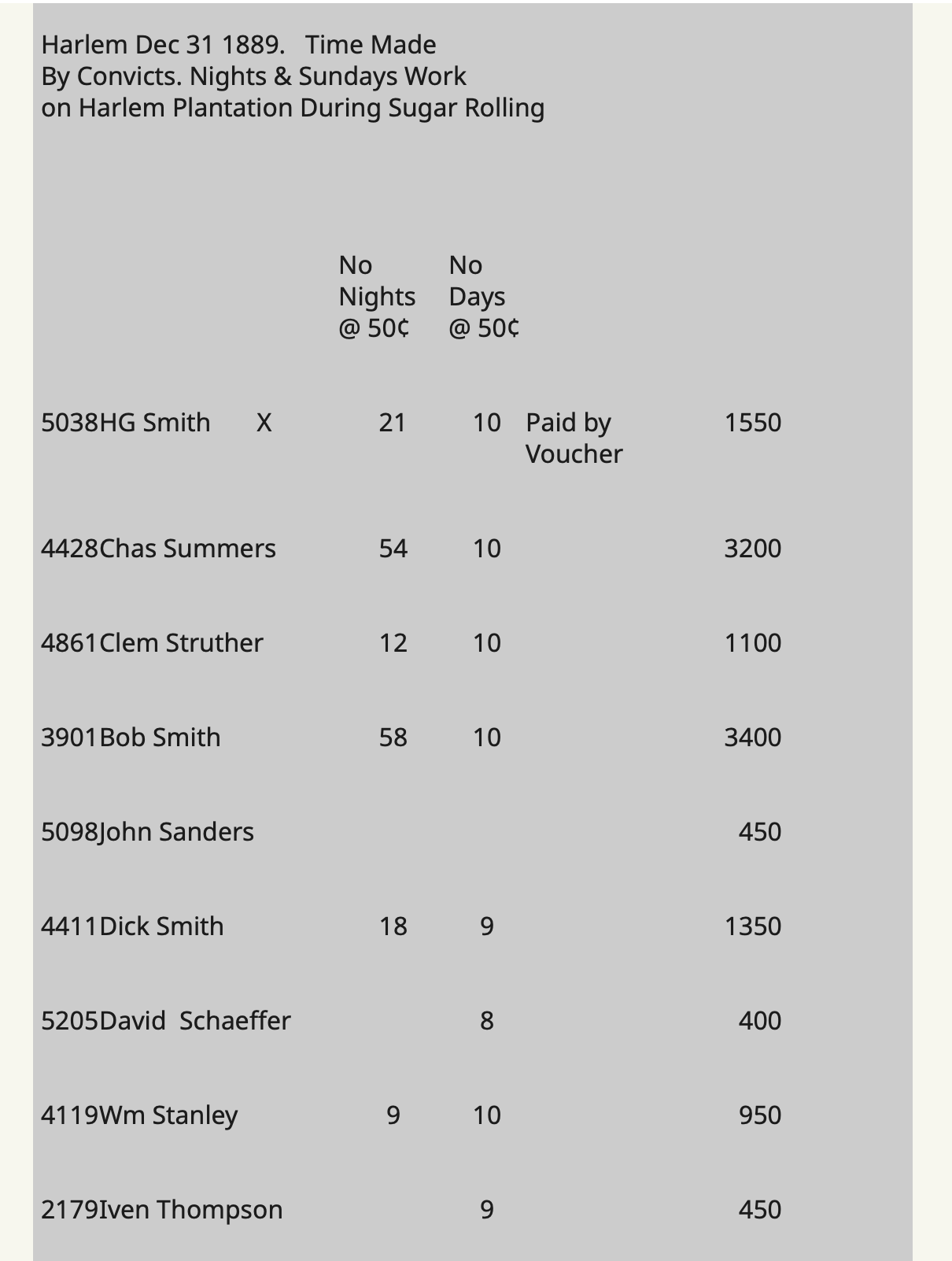
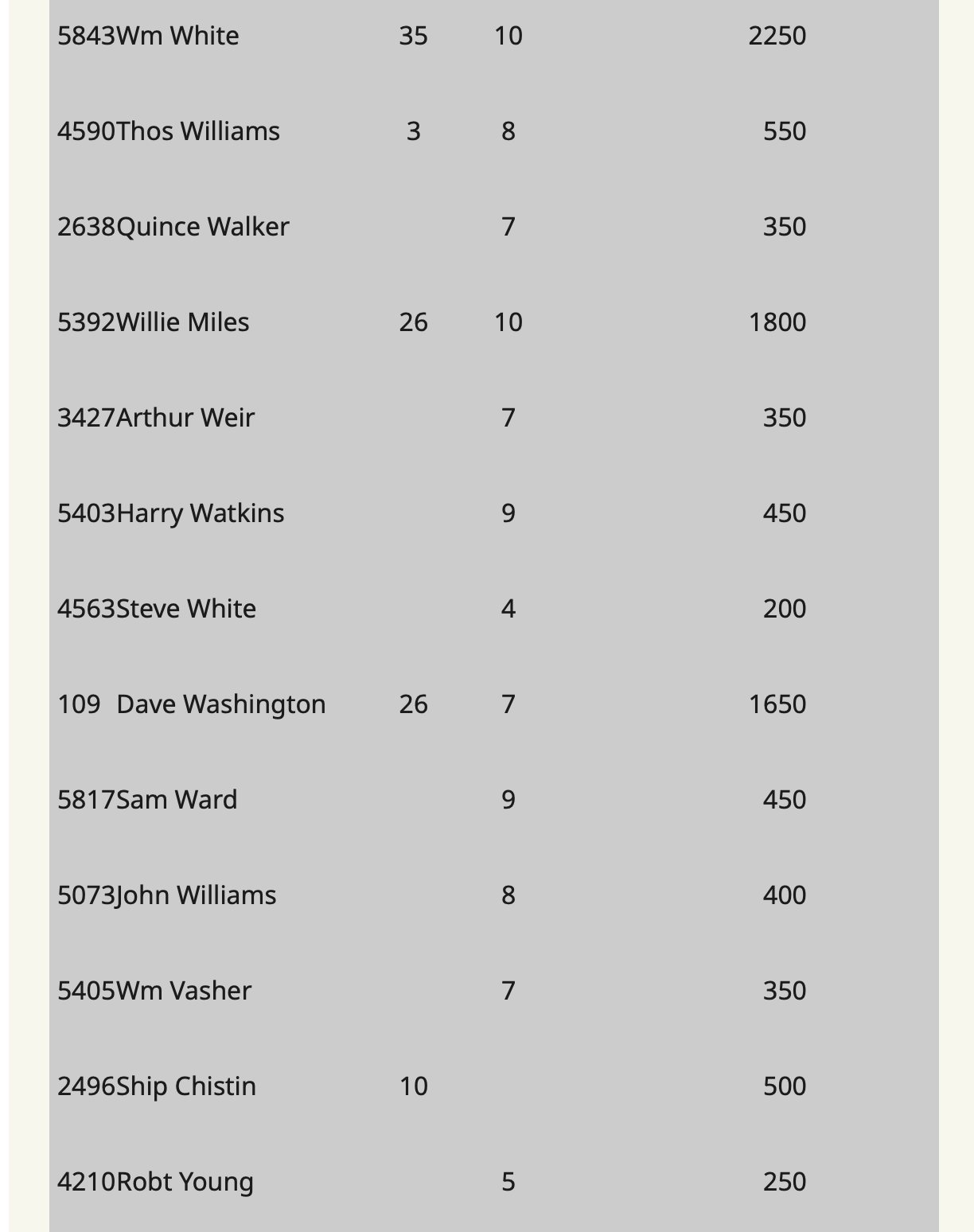
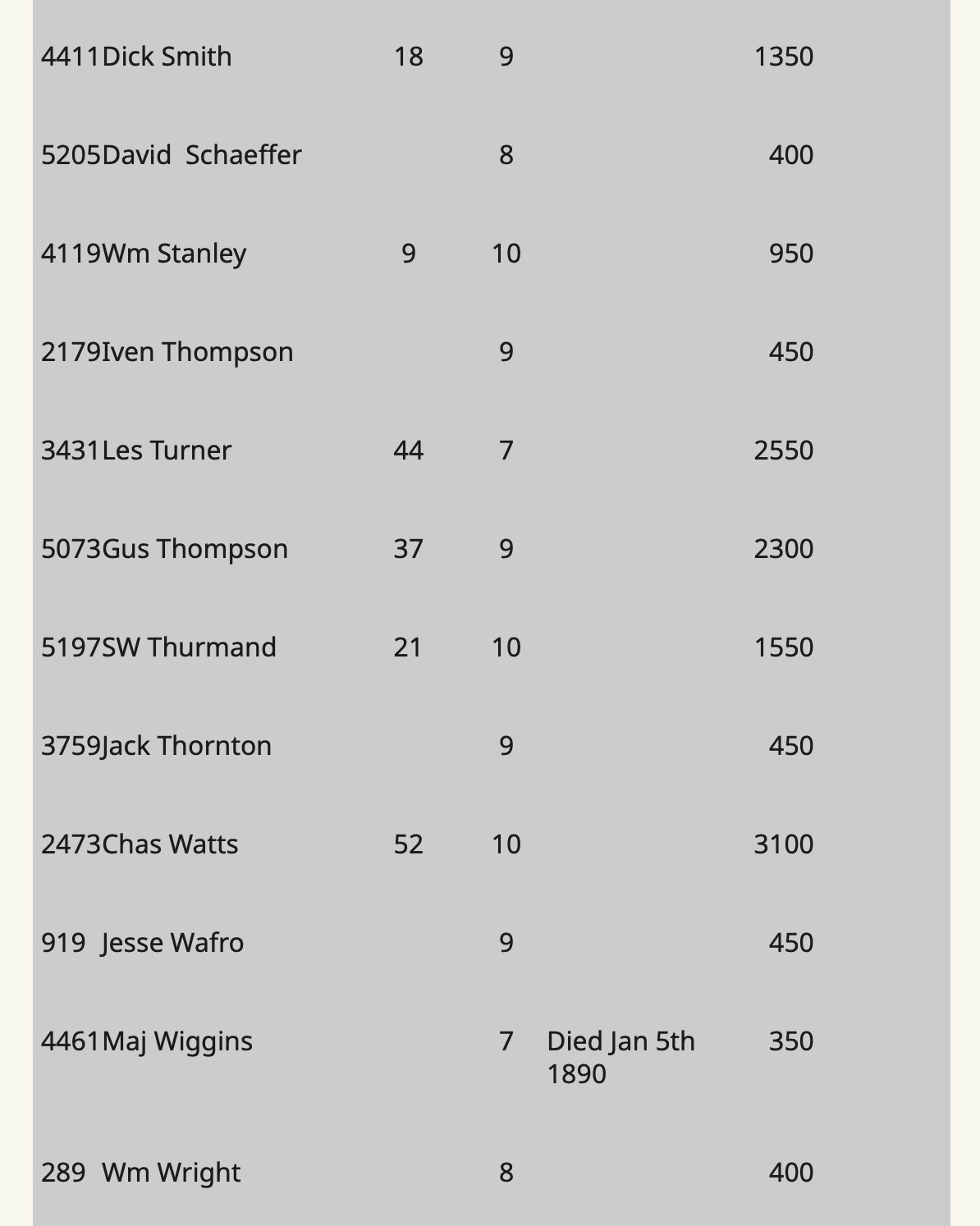
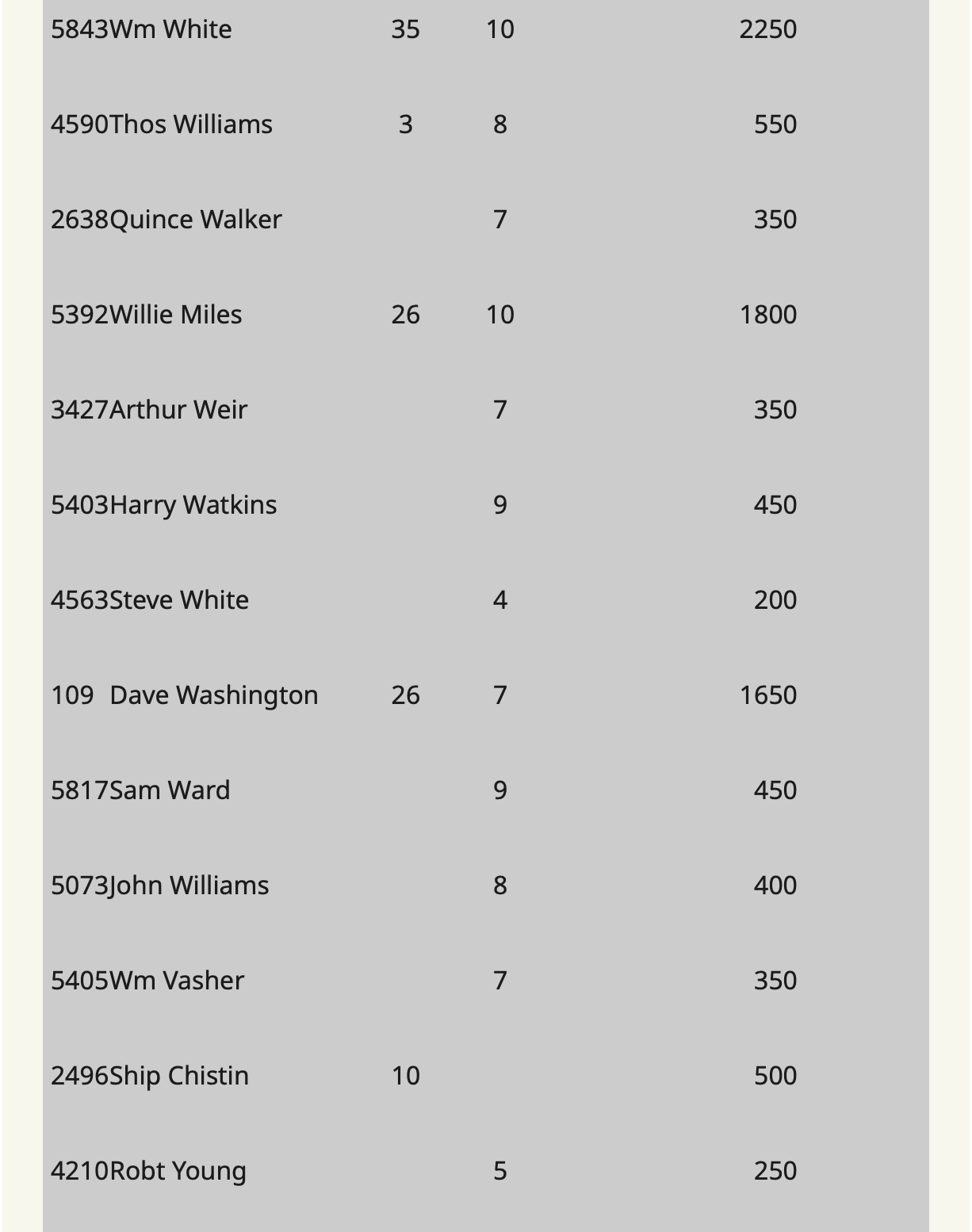
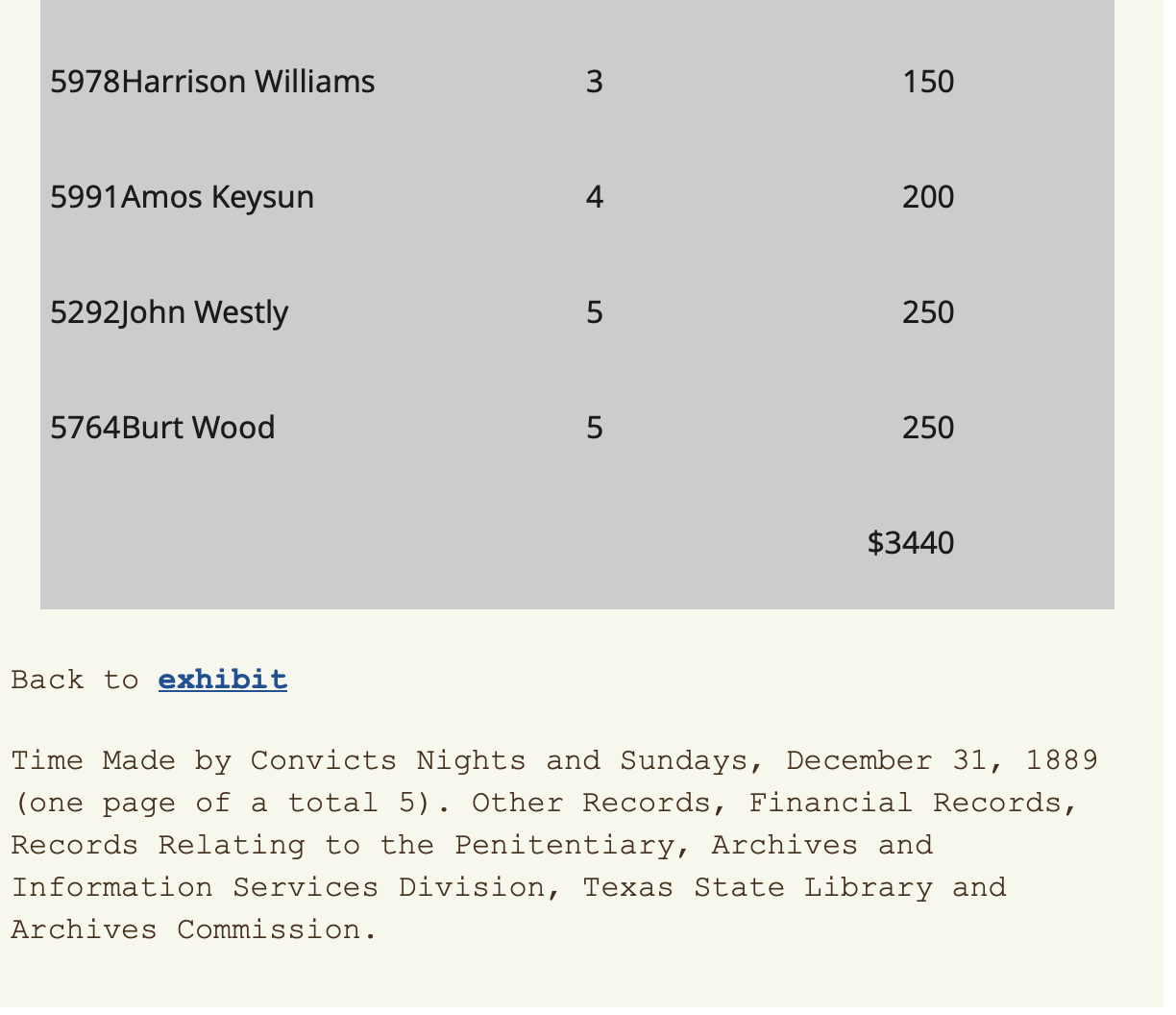
During “sugar rolling,” the raw cane stalks were hauled to mills to be crushed between giant rollers. Once the cane was harvested, it rotted quickly, so the men typically worked round the clock.
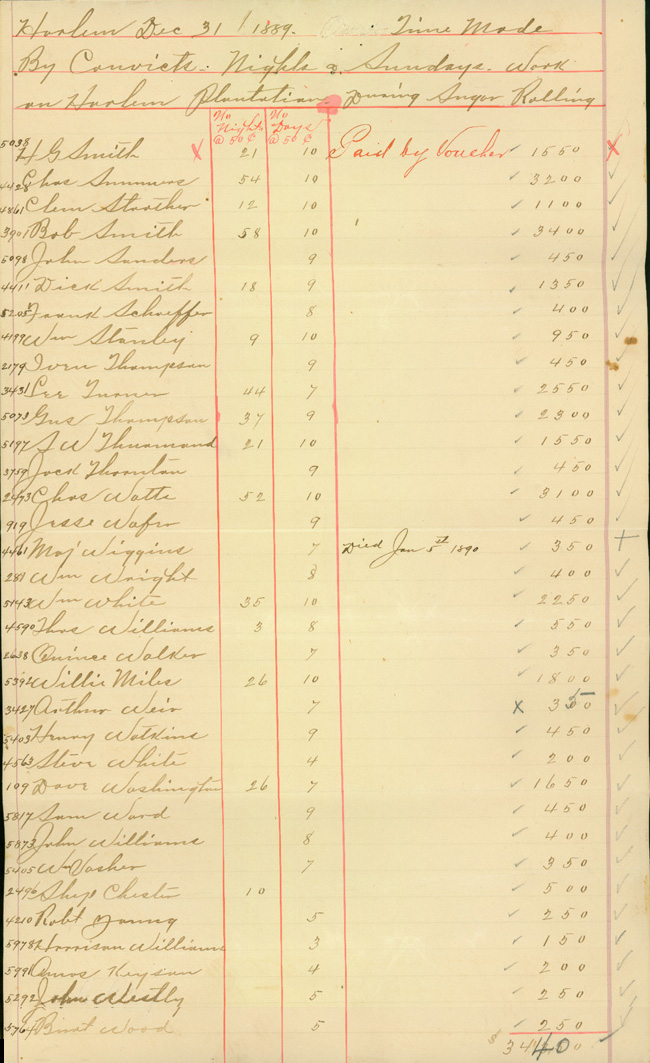
Time Made by Convicts Nights and Sundays, December 31, 1889 (one page of a total 5). Other Records, Financial Records, Records Relating to the Penitentiary, Archives and Information Services Division, Texas State Library and Archives Commission.