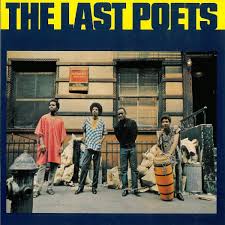
Formed in Harlem in 1968, The Last Poets are widely celebrated as the “Godfathers of Hip Hop”. They pioneered a revolutionary style of delivering highly politicized, rhythmic spoken-word poetry over minimalist African and jazz percussion, directly laying the foundational blueprint for modern rap.
The Core Connection to Hip Hop
- The Blueprint: Before commercial rap existed, The Last Poets were mixing raw, unfiltered street poetry with beats. They proved that lyrical rhythm and percussive storytelling could captivate an audience without needing traditional melodies.
- Sampling: Their revolutionary tracks (such as “When the Revolution Comes” and “Niggers Are Scared of Revolution”) have been heavily sampled by legendary hip-hop acts. Their words echo in foundational rap hits by artists like N.W.A. (“100 Miles and Runnin'”), A Tribe Called Quest, Notorious B.I.G., and Digable Planets.
- Direct Collaborations: Their influence spans across generations, with the group collaborating with modern icons like Common and Kanye West on the Grammy-nominated track “The Corner”.
- Thematic Influence: The Last Poets championed Black empowerment, social justice, and outspoken political criticism. These themes heavily inspired the “conscious rap” and sociopolitical commentary of 1990s and 2000s hip hop.
The Last Poets of Harlem | THIRTEEN
The Last Poets and connection to Hip Hop music
The Last Poets are universally recognized as the foundational grandfathers of hip-hop, pioneering the template of rhythmic, politically charged spoken-word delivery over live percussion years before rap existed as a formal commercial genre. Formed in East Harlem in 1968, the collective blended the urgent messaging of the Black Power movement with African-based drum rhythms. This creative framework directly established the blueprint for modern rap: using the spoken word as a rhythmic instrument of cultural and political defiance.
The Structural Blueprint for Rap
The Last Poets bridged the gap between traditional poetry, jazz, and what would eventually become hip-hop lyricism.
- Rhythm as Resistance: Long before DJs isolated breakbeats, the group juxtaposed incendiary street poetry over complex percussive patterns, effectively inventing “proto-rap”.
- Conscious Lyricism: Tracks like “When the Revolution Comes” and “Wake Up, Niggers” introduced explicit themes of systemic racism, self-empowerment, and socio-political critique. This directly paved the way for the politically conscious hip-hop subgenre.
- The Vernacular of the Streets: They rejected academic language, opting to rhyme in the vivid, unvarnished vernacular of the urban community. This choice anticipated the localized storytelling that defines rap music.
A Foundation for Hip-Hop Production (Sampling)
The group’s 1970 self-titled debut album and 1971’s This is Madness became essential source material for hip-hop producers. Their records have been extensively sampled to inject historical and political gravity into modern tracks:
- The Notorious B.I.G.: Sampled the group’s early work for his classic track “Party & Bullshit”.
- N.W.A.: Drew inspiration and sonic cues for their high-energy anthem “100 Miles and Runnin'”.
- Public Enemy: Frontman Chuck D has long cited them as the roots of rap, acknowledging their mastery of juxtaposing words against music. The group’s influence heavily shaped Public Enemy’s revolutionary production style.
Direct Intergenerational Collaborations
Rather than existing purely as historical figures, surviving members like Abiodun Oyewole and Umar Bin Hassan actively stepped into the modern hip-hop landscape to collaborate with subsequent generations:

Common & Kanye West: The Last Poets were featured prominently on Common’s Grammy-nominated 2005 track “The Corner”, bridging the gap between old-school street griots and 21st-century hip-hop.

Nas: The group joined Nas on his 2008 untitled album, lending their voices and wisdom to the tracks “You Can’t Stop Us Now” and “Project Roach”.
Wu-Tang Clan: Core architects of the Wu-Tang sound, including RZA and Ghostface Killah, have openly paid homage to the Poets, viewing them as direct artistic ancestors.
The Greatest Hip Hop Sample of Each Year (1979-2024)
https://colemizestudios.com/how-did-rap-start/
https://dartadams.medium.com/1981-the-year-hip-hop-broke-73b91b2f8724
https://insidetherockposterframe.blogspot.com/2012/01/wu-sciples-poster-by-two-rabbits.html
https://www.storybench.org/a-data-history-of-popular-hip-hop/
https://www.quora.com/Why-do-some-people-say-that-Rap-is-not-a-real-music
https://quotefancy.com/jeff-chang-quotes