A good teacher can inspire hope, ignite the imagination, and instill a love of learning
~ Learning to Teach~
Dale Ricardo Shields is recognized for his profound and lasting impact on his students,
encouraging self-discovery, fostering inclusivity, and promoting a deep understanding of theater history. This is reflected in the accolades he has received, including the Kennedy Center/Stephen Sondheim Inspirational Teacher Award, which honors educators who make a significant difference in their students’ lives.
Encouraging self-discovery
Shields’s teaching methods inspire students to look inward and find their authentic creative voices.
- “Write what is in your heart”: A former student recalled a powerful assignment where Shields encouraged them to write a monologue from the heart. This experience helped the student overcome shyness, find their voice, and realize the creative potential within them.
- Owning their material: A colleague praised Shields for instilling in his students the importance of owning their work rather than just accepting what was taught to them. Shields encouraged students to be “rebels” in the best sense of the word—to ask questions and create their own opportunities.
Fostering inclusivity
Shields uses student-written productions to unite people from different backgrounds and build stronger communities.
- Community building: He has frequently visited colleges and universities to lead student-written productions with the goal of bringing together people of different races, genders, and beliefs.
- Artistic access for all: Shields believes that creative inspiration is a “constitutional right” and works to make artistic and cultural knowledge, particularly Black theater history, accessible to everyone.
Preparing students for the industry
With his own extensive experience in professional theater and film, Shields provides practical wisdom to help students navigate their careers.
- Encouraging big choices: He urged his students to make big creative choices, telling them, “if they’re going to break a window, throw a grand piano through it rather than a pebble”.
- The importance of listening: Shields also advised students on essential life and acting skills, including the importance of listening, taking care of mental health, and leaving one’s ego at the door.
- Emphasizing connections: When speaking to students at his alma mater, Ohio University, he stressed the value of networking with peers, noting that many of their future industry connections would be their classmates.
Recognition of educational impact
Shields’s influence as an educator has been formally recognized through multiple awards, highlighting his dedication to his students.
Notable awards and recognition
Paul Robeson Award (2021): Awarded by the Actors’ Equity Association for using theater to advocate for social justice.
Kennedy Center/Stephen Sondheim Inspirational Teacher Award (2017): One of ten teachers nationwide to receive this honor.
Tony Award Nomination (2015): Nominated for the “Excellence in Theatre Education Award,” presented by the Tony Awards and Carnegie Mellon University.
The HistoryMakers (2024): His interview was included in the archives of The HistoryMakers, permanently housed in the Library of Congress.
Ohio University Legend Award (2022): Received from his alma mater for his significant accomplishments.
Paul Robeson Award (2021): Awarded by the Actors’ Equity Association for using theater to advocate for social justice.
Kennedy Center/Stephen Sondheim Inspirational Teacher Award (2017): One of ten teachers nationwide to receive this honor.
Tony Award Nomination (2015): Nominated for the “Excellence in Theatre Education Award,” presented by the Tony Awards and Carnegie Mellon University.
The HistoryMakers (2024): His interview was included in the archives of The HistoryMakers, permanently housed in the Library of Congress.
Ohio University Legend Award (2022): Received from his alma mater for his significant accomplishments.
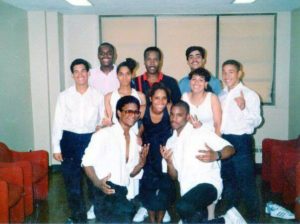
SOUTH
BRONX COMMUNITY THEATRE
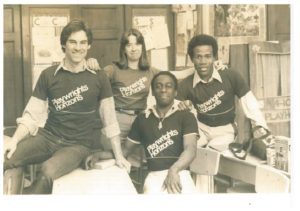
PLAYWRIGHTS HORIZON
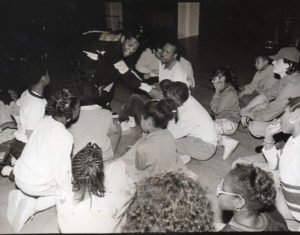
The Public Theatre
NEW YORK SHAKESPEARE FESTIVAL
The Public Theatre (Andre’DeShields)
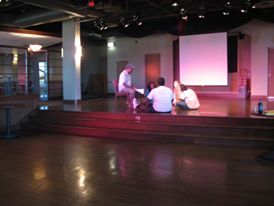

DENISON UNIVERSITY
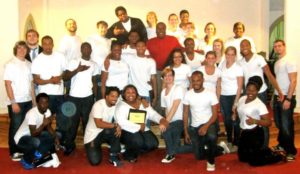
RANDOLPH-MACON
COLLEGE
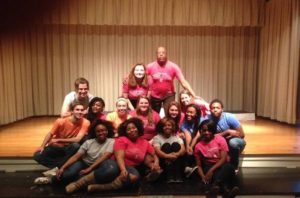
SUSQUEHANNA UNIVERSITY
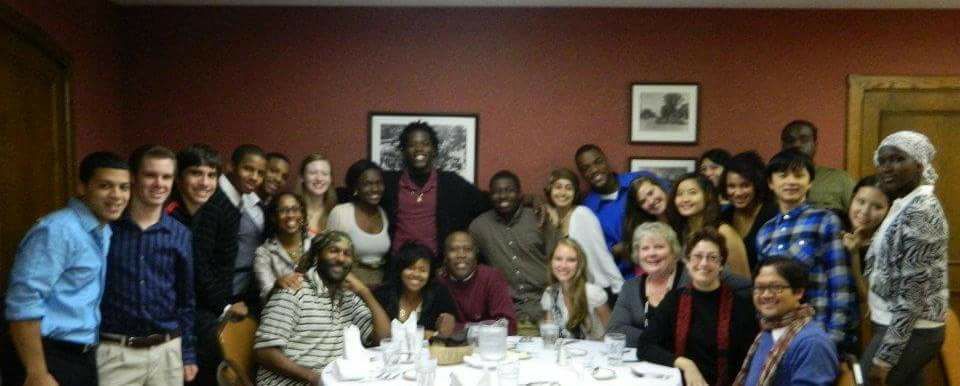
DENISON UNIVERSITY
Dale Ricardo Shields is a renowned educator and theatrical artist. His dedication to teaching and the arts is reflected in numerous quotes attributed to him and testimonials about his impact on students.
Quotes and insights into Dale Ricardo Shields’ philosophy as a Professor:
Focus on the individual student: “My work as a teacher, acting coach, or workshop leader has always focused on the student as an individual. Every activity, movement, space, and word is an arena of knowledge.”
Teaching chose him: “I did not choose to teach. Teaching chose me.”
Empowering student voices: ” ‘Your opinion matters here,’… My mantra as a teacher is: ‘Find your own voice.’ Motivating those new voices is why I teach.”
Encouraging big choices and embracing mistakes: He advised students to make significant choices and embrace the process, stating, “I always told my students that if they’re going to break a window, throw a grand piano through it rather than a pebble.”
Connecting students to themselves: He believed students possessed “something deep, rich, and valuable” that contributed to their characters and their own lives, and that everyone has something to contribute to the world.
Artistic purpose: “My artistic work purpose is to widen the cultural radius towards imagining that inspiration itself, is a constitutional right afforded to all students and audiences of the Arts, to have world access to the impulse of creativity, unafraid of its beauty, diversity, grace and truth.”
Influence on students
Students have credited him with helping them find their voice and overcome shyness.
He is described as a challenging yet supportive professor who uses his experience to help students develop.
His ability to create a supportive and professional learning environment is also noted, even for those new to theater.
He is recognized for his profound and lasting impact on his students,encouraging self-discovery, fostering inclusivity, and promoting a deep understanding of theater history. This is reflected in the accolades he has received, including the Kennedy Center/Stephen Sondheim Inspirational Teacher Award, which honors educators who make a significant difference in their students’ lives.
Encouraging self-discovery
Shields’s teaching methods inspire students to look inward and find their authentic creative voices.
-
“Write what is in your heart”: A former student recalled a powerful assignment where Shields encouraged them to write a monologue from the heart. This experience helped the student overcome shyness, find their voice, and realize the creative potential within them.
-
Owning their material: A colleague praised Shields for instilling in his students the importance of owning their work rather than just accepting what was taught to them. Shields encouraged students to be “rebels” in the best sense of the word—to ask questions and create their own opportunities.
Fostering inclusivity
Shields uses student-written productions to unite people from different backgrounds and build stronger communities.
-
Community building: He has frequently visited colleges and universities to lead student-written productions with the goal of bringing together people of different races, genders, and beliefs.
-
Artistic access for all: Shields believes that creative inspiration is a “constitutional right” and works to make artistic and cultural knowledge, particularly Black theater history, accessible to everyone.
Preparing students for the industry
With his own extensive experience in professional theater and film, Shields provides practical wisdom to help students navigate their careers.
-
Encouraging big choices: He urged his students to make big creative choices, telling them, “if they’re going to break a window, throw a grand piano through it rather than a pebble”.
-
The importance of listening: Shields also advised students on essential life and acting skills, including the importance of listening, taking care of mental health, and leaving one’s ego at the door.
-
Emphasizing connections: When speaking to students at his alma mater, Ohio University, he stressed the value of networking with peers, noting that many of their future industry connections would be their classmates.