Emmett Louis Till
The Emmett Till Unsolved Civil Rights Crime Act
The Emmett Till Unsolved Civil Rights Crime Act (often shortened to “Emmett Till Act” or “Till Act”) is a landmark piece of legislation that addresses long-standing injustices in the United States
Its primary purpose is to authorize the investigation and prosecution of cold cases related to civil rights violations, especially those involving racially-motivated murders.
Here are the key details of the Act:
Focus on civil rights violations resulting in death
-
The Act empowers the Department of Justice (DOJ) and the Federal Bureau of Investigation (FBI) to specifically investigate violations of criminal civil rights statutes where the violation resulted in death.
Timeframe of investigation
-
Originally, the Act focused on crimes committed before 1970.
-
The Emmett Till Unsolved Civil Rights Crimes Reauthorization Act of 2016 expanded the timeframe to include offenses occurring no later than December 31, 1979.
Establishment of specialized units
- The Act mandates the creation of specialized sections within the DOJ’s Civil Rights Division and the FBI to coordinate these cold case investigations.
Resources and funding
- The Till Act authorizes substantial funding to support these investigations and prosecutions.
- It allows the Attorney General to award grants to state and local law enforcement agencies to assist their efforts in investigating and prosecuting these types of cases.
Collaboration and transparency
- The Act encourages strong collaboration between the DOJ, the FBI, and state/local law enforcement agencies, as well as with civil rights organizations, universities, and other entities that have been involved in similar investigative work.
- It also promotes greater transparency by requiring the DOJ to provide regular reports to Congress on the progress of investigations and authorizing expedited Freedom of Information Act (FOIA) requests related to these cases, according to Congress.gov.
Reopening and review of cases
- The Act allows the DOJ to reopen and review cases that were previously closed without a thorough in-person investigation by the DOJ or the FBI.
Named in honor of Emmett Till
-
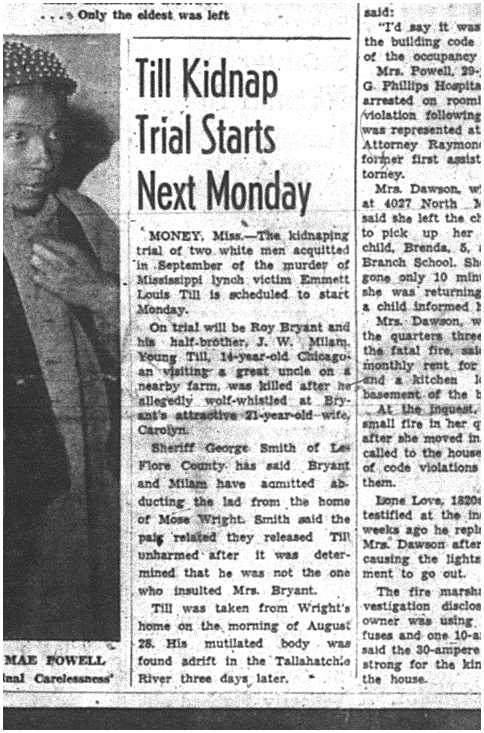
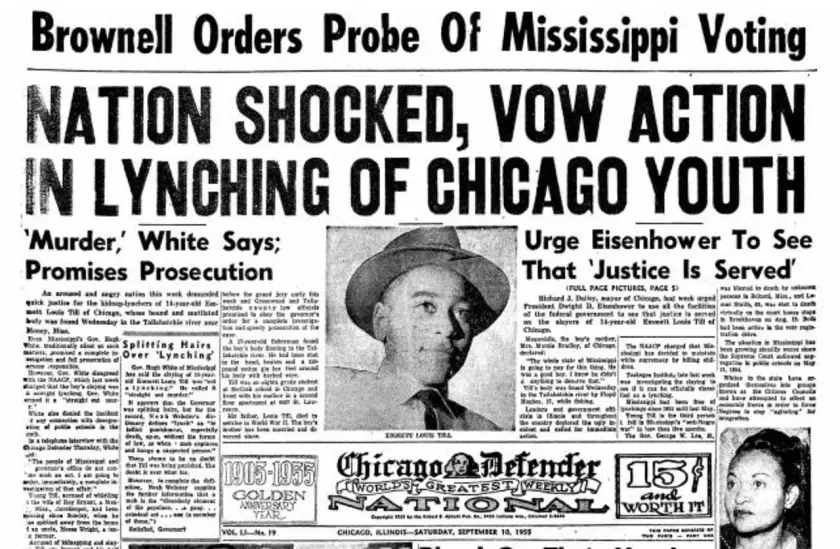
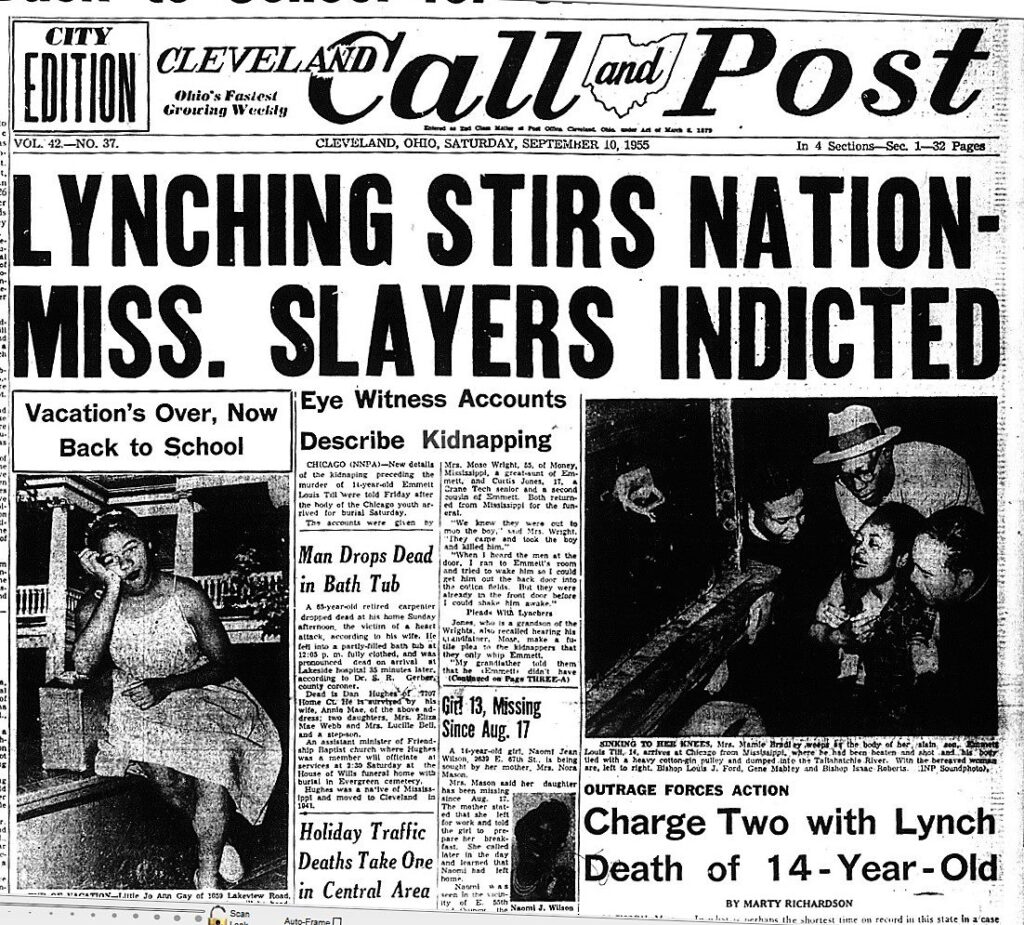
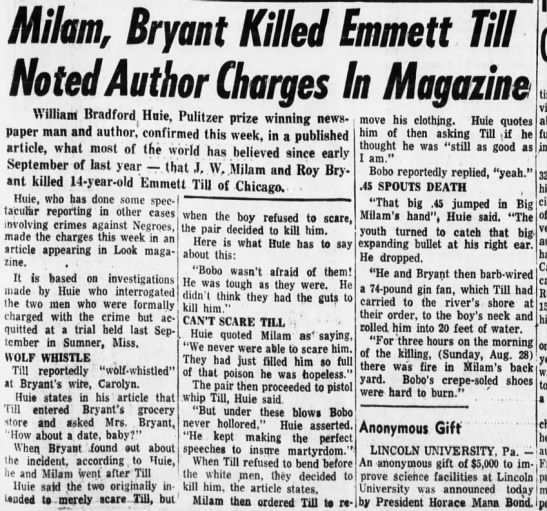
The legislation is named after Emmett Till, whose brutal murder in 1955 and the subsequent acquittal of his killers highlighted the injustices of the legal system during the Jim Crow era and helped spark the Civil Rights Movement.
Overall purpose
-
The Emmett Till Act aims to provide a sustained, well-coordinated, and well-funded effort to bring justice and closure for the victims and their families in these racially-motivated cold cases, says Congress.gov. It acknowledges the difficulty in prosecuting these cases decades later due to factors like the age of witnesses and suspects, the loss of evidence, and legal protections like double jeopardy and ex post facto laws. However, it represents a continued commitment to rectifying historical injustices and pursuing accountability for these heinous crimes.
Legacy
- Emmett Till’s murder and the subsequent injustice became a catalyst for the Civil Rights Movement.
- Rosa Parks cited his murder as a reason for her refusal to give up her seat on a bus in Montgomery, Alabama.
- His mother, Mamie Till-Mobley, became a lifelong activist and educator, advocating against racial violence and for civil rights.
- The Emmett Till Unsolved Civil Rights Crime Act was signed into law in 2008, allowing investigations into cold cases of civil rights-era murders.
- The Emmett Till Antilynching Act, making lynching a federal hate crime, was passed in 2022.
- In 2023, the Emmett Till and Mamie Till-Mobley National Monument was established in Illinois and Mississippi, preserving sites related to Emmett and his mother’s legacy.
- Emmett’s legacy continues to resonate today, with his story serving as a powerful reminder of racial injustice and the ongoing fight for equality.
*****
The Emmett Till Antilynching Act, signed into law on March 29, 2022, is the first piece of legislation in United States history to designate lynching as a federal hate crime.
Its significance lies in both its legal weight and its historical weight after more than 200 failed attempts over 120 years to pass similar legislation.
Legal Significance
-
Enhanced Penalties: It amends the U.S. Code to allow for a maximum sentence of 30 years in prison plus fines for hate crime conspiracies that result in death or serious bodily injury.
-
Conspiracy Prosecution: The act specifically targets those who conspire to commit racist violence. For example, if a mob of ten people plans a racially motivated attack but only two physically carry it out, all ten can be held equally liable for the crime.
-
Federal Oversight: By making lynching a federal crime, the law ensures that the federal government can intervene and prosecute cases if local or state authorities fail to act.
Social and Historical Significance
-
A Century of Resistance: The act represents the culmination of a century-long struggle by civil rights leaders like Ida B. Wells and organizations like the NAACP, who first began pushing for a federal anti-lynching law in 1900.
-
Acknowledgment of Injustice: Named after 14-year-old Emmett Till, whose 1955 murder galvanized the Civil Rights Movement, the act serves as a formal federal acknowledgment of the nation’s history of racial terror.
-
Addressing Modern Violence: The legislation was passed in the wake of high-profile modern-day lynchings, such as the 2020 murder of Ahmaud Arbery in Georgia. It signals a gathered national determination to prevent the use of terror to undermine constitutional rights.
Section 249 of Title 18of the U.S. Code to include “lynching” as a specific federal hate crime. Its legal impact focuses on broadening the scope of conspiracy and increasing sentencing severity for racially motivated violence.
Key Legal Provisions
-
Expansion of Conspiracy Liability: The Act allows the federal government to prosecute anyone who conspires to commit a hate crime that results in death or serious bodily injury. This means individuals who plan or assist in an attack—even if they do not personally commit the final act of violence—can be held equally liable.
-
Increased Sentencing: It raises the maximum penalty for hate crime conspiracies involving serious bodily injury from 10 years to 30 years in prison.
-
Specific Criminal Acts: Beyond death and physical injury, the Act applies to conspiracies involving kidnapping (or attempts to kidnap), aggravated sexual abuse, or an attempt to kill.
-
Requirement of Action: To be prosecuted under the Act, the attack must have actually been carried out; mere planning without subsequent death or serious injury does not qualify. Spectators who watch but do not participate in planning are also not held liable under this specific statute.
Prosecutorial Impact
-
Concurrent Charges: Federal prosecutors can now charge defendants under both the new Antilynching Act and existing federal hate crime provisions, allowing for a more comprehensive legal strategy.
-
Review of Cold Cases: The formal definition of lynching under federal law is intended to encourage the Department of Justice to re-examine suspicious historical deaths that were previously classified as suicides or accidents due to a lack of evidence or local oversight.
-
Federal Intervention: The Act ensures that if a state or local jurisdiction is unable or unwilling to pursue a hate-motivated murder case, federal authorities have a clear legal mandate to take over the prosecution.
Credits:
Section of Jet magazine’s September 15, 1955 edition. Online, via Google Books and Jet magazine. Copyright, Jet magazine, all rights reserved. Provided here as fair use for educational purposes.
See Alignments to State and Common Core standards for this story online at:
http://www.awesomestories.com/asset/AcademicAlignment/Jet-Magazine-Story-about-Emmett-Till
See Learning Tasks for this story online at:
http://www.awesomestories.com/asset/AcademicActivities/Jet-Magazine-Story-about-Emmett-Till
Recent legal and legislative developments continue to address the history of racial violence in the U.S., centered on the Emmett Till Anti-Lynching Act and ongoing efforts to uncover records from the civil rights era.
Emmett Till Anti-Lynching Act (2022)
Signed into law on March 29, 2022, this landmark legislation made lynching a federal hate crime for the first time in U.S. history after over 200 failed attempts since 1900.
Key Provisions: The act amends existing federal hate crime laws to include “lynching” as a conspiracy to commit a hate crime that results in death or serious bodily injury.
Penalties: Perpetrators can face up to 30 years in prison, a significant increase from previous 10-year maximums for similar conspiracy charges.
Scope: It targets not just those who carry out the violence but also those who conspire to kidnap, kill, or commit aggravated sexual abuse.
Recent Civil Rights Cold Case Developments
Beyond the 2022 Act, federal and state initiatives have focused on transparency and the investigation of historical crimes:
Massive Records Release (2025): In August 2025, to mark the 70th anniversary of Emmett Till’s murder, the Civil Rights Cold Case Records Review Board released over 6,500 pages of federal records. These files include previously undisclosed documents detailing the government’s initial response to the lynching.
Legislative Reauthorization (2025-2026): Bipartisan legislation, the Civil Rights Cold Case Records Collection Reauthorization Act, was introduced to extend the Review Board’s authority through 2031. This ensures the continued public release of records from 1940 through 1979.
DOJ Cold Case Initiative: The Emmett Till Cold Case Investigations and Prosecution Program supports local and state agencies in reopening cases. As of late 2025, these grants have led to the review of hundreds of cases and supported the Maryland Lynching Truth and Reconciliation Commission in holding community hearings.
DOJ Policy Shifts (2025): In early 2025, internal Department of Justice memos indicated a shift toward prioritizing Civil Rights Fraud Initiatives, utilizing the False Claims Act to target federal fund recipients who violate civil rights laws.
Artifact Preservation
In August 2025, the Mississippi Civil Rights Museum placed the gun believed to have been used in Emmett Till’s murder—an Ithaca .45 caliber pistol—on permanent public display.
ARTICLES
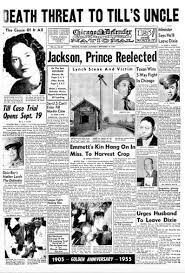
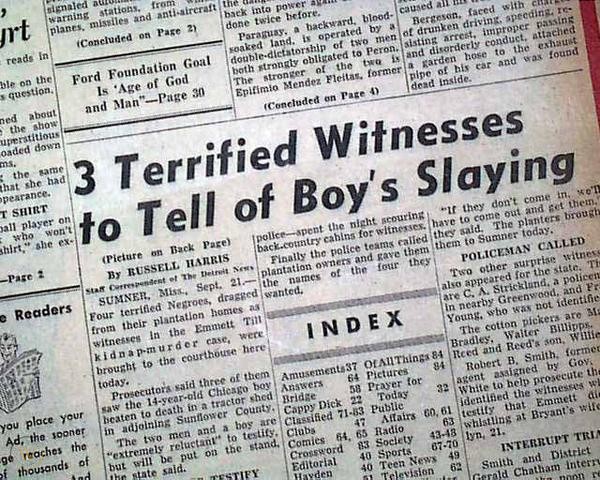

*
THE MURDER OF EMMETT TILL | ARTICLE
The Legacy of the Lynching of Emmett Till
Dispelling myths to learn how the Black response to racist murder transformed America
https://www.pbs.org/wgbh/americanexperience/features/legacy-lynching-emmett-till/
*
THE MURDER OF EMMETT TILL | ARTICLE
Mamie Till Mobley
https://www.pbs.org/wgbh/americanexperience/features/emmett-biography-mamie-till-mobley/
*
THE MURDER OF EMMETT TILL | ARTICLE
Killers’ Confession
Open the pages of the January 1956 Look magazine to read the killers’ confession.
https://www.pbs.org/wgbh/americanexperience/features/till-killers-confession/
*
THE MURDER OF EMMETT TILL | ARTICLE
The Trial of J.W. Milam and Roy Bryant
When the murder trial of Roy Bryant and his half-brother J.W. Milam opened in Sumner, Mississippi, on a steamy September morning in 1955, few realized the town would be forever linked to the brutal slaying of Emmett Till, a 14-year-old African American boy from Chicago.
https://www.pbs.org/wgbh/americanexperience/features/emmett-trial-jw-milam-and-roy-bryant/
*
THE MURDER OF EMMETT TILL | ARTICLE
Getting Away with Murder
Roy and Carolyn Bryant and J. W. Milam will always be linked to the 1955 murder of Emmett Till. In the minds of many, they live in history as the trio that got away with murder.
*
THE MURDER OF EMMETT TILL | ARTICLE
https://www.pbs.org/wgbh/americanexperience/features/emmett-biography-sheriff-clarence-strider/
https://www.distractify.com/p/what-happened-to-carolyn-bryant
https://www.wisconsinhistory.org/Records/Image/IM67254
https://www.pbs.org/wgbh/americanexperience/features/eleanor-race/
https://chicago.suntimes.com/2021/9/9/22661228/emmett-till-burial-burr-oak-cemetery
https://www.pressreader.com/usa/chicago-sun-times/20200827/281500753634800
https://www.nytimes.com/2017/01/27/books/review/blood-of-emmett-till-timothy-b-tyson.html
https://playbill.com/article/emmett-till-a-new-american-opera-to-premiere-at-john-jay-college
https://www.washingtonpost.com/music/2022/03/22/emmett-till-opera-protest/
https://www.salon.com/2022/03/12/emmett-tills-family-petitioning-for-charge/
https://www.pbs.org/wgbh/frontline/interactive/unresolved/cases/emmett-till
https://www.nytimes.com/2023/04/27/us/carolyn-bryant-donham-dead.html
https://www.theatlantic.com/magazine/archive/2021/09/barn-emmett-till-murder/619493/
https://www.theatlantic.com/culture/archive/2023/12/shonda-rhimes-emmett-till-barn-memorial/676887/
https://www.nps.gov/people/emmett-till.htm#:~:text=Emmett%20Till%20and%20Mamie%20Till,began%20walking%20at%2011%20months.
https://www.blackenterprise.com/emmett-till-center-buys-barn-where-lynching-took-place-for-1-5-million/?fbclid=IwY2xjawOdVVBleHRuA2FlbQIxMABicmlkETFBaGRtVlNubEx6eERCMW5qc3J0YwZhcHBfaWQQMjIyMDM5MTc4ODIwMDg5MgABHshK8QpzhjGFBWz4xicRb6wd-1XsvJ6wrlGgfzfGgFDoDTLe2zy_eZ50gAJ9_aem_dFRFPxb2k-N3d6J5clnuHg
PHOTOGRAPHY Credits
ALAMY.com
ASSOCIATED PRESS (AP)
© Bettmann/Corbis
BIOGRAPHY.COM
Chicago Defender
Corbis via Getty Images
Dave Mann/Chicago Sun-Times/Courtesy of NMAAHC
Ebony Magazine
Getty Images
Jet Magazine
New York Times -nytimes.org
PBS.org
Pinterest.com
Ed Clark; Life Pictures/Shutterstock
Shutterstock
Smithsonian Magazine
University of Memphis Digital Commons
Wikimedia Commons
The “Emmett Till and Mamie Till-Mobley: Let the World See” exhibition is at the DuSable Black History Museum and Education Center
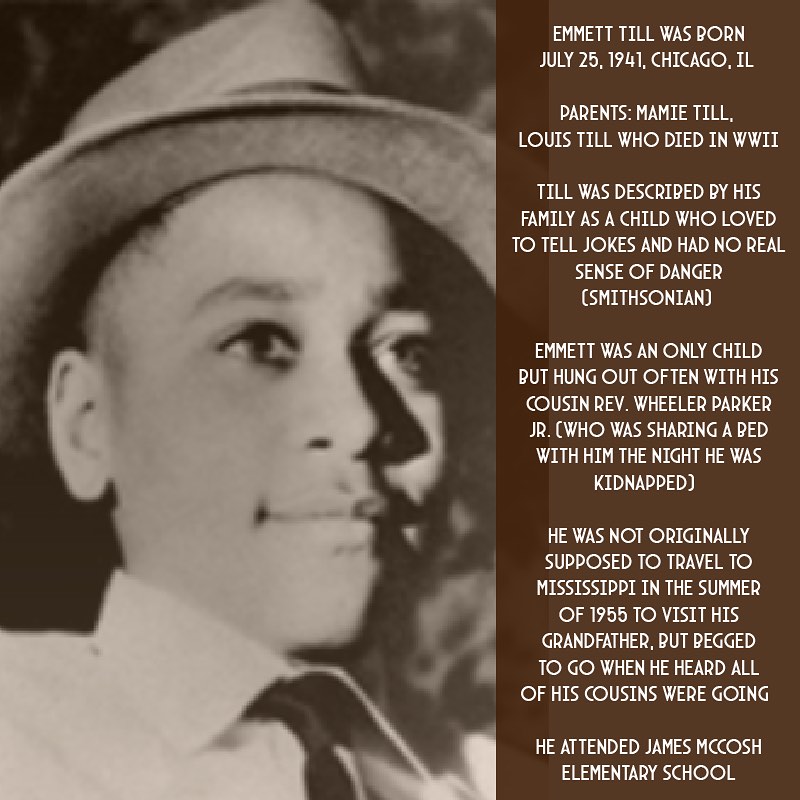
The DuSable Black History Museum and Education Center
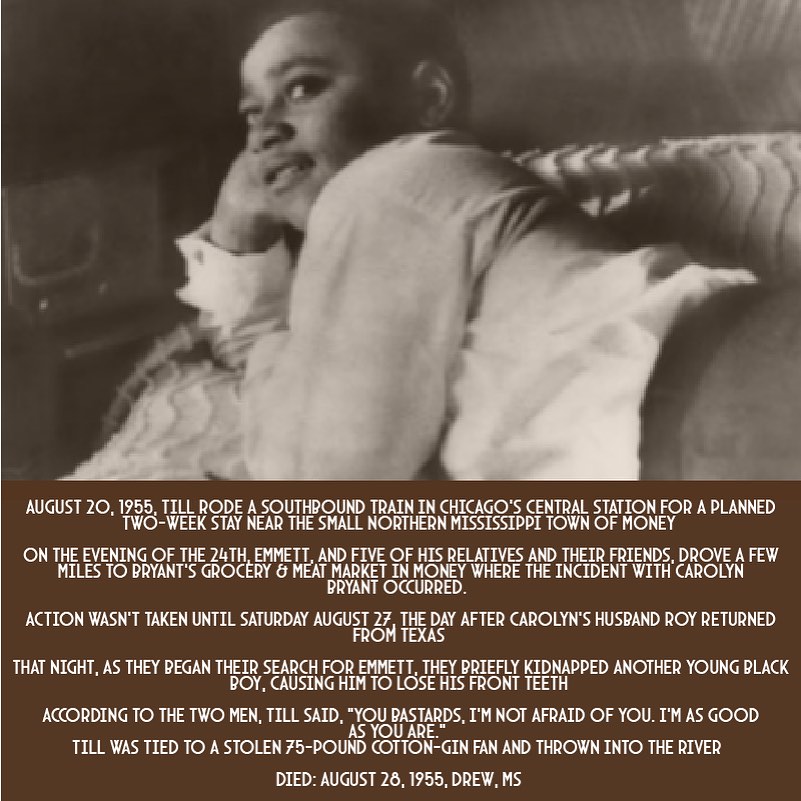
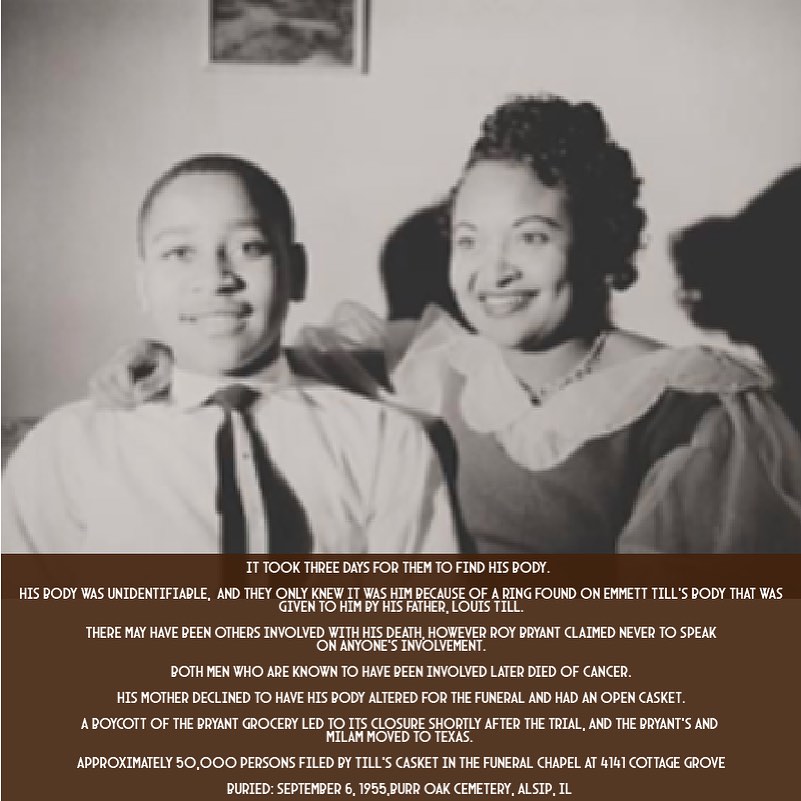
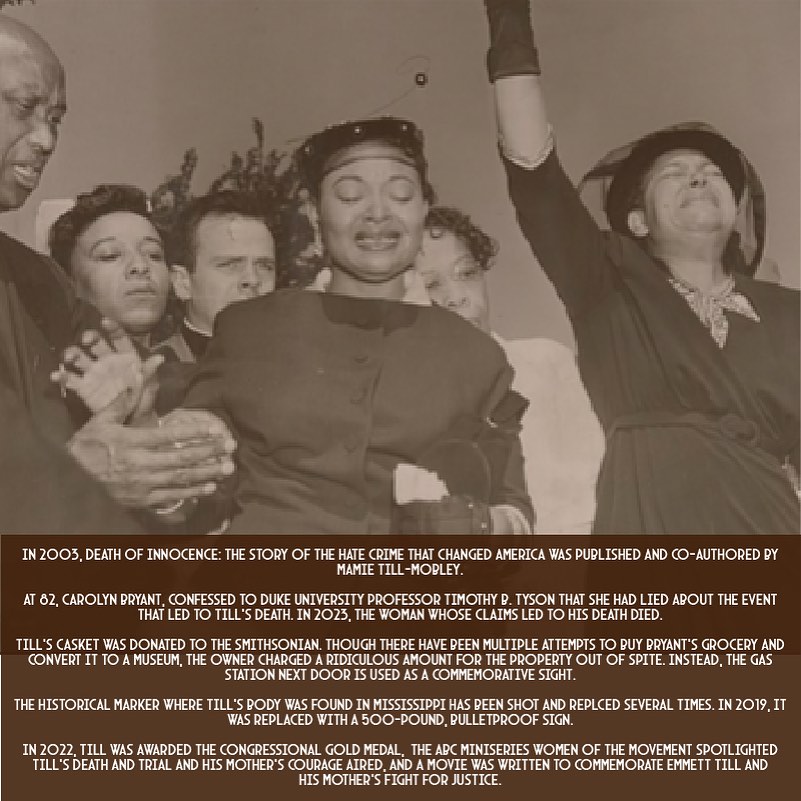
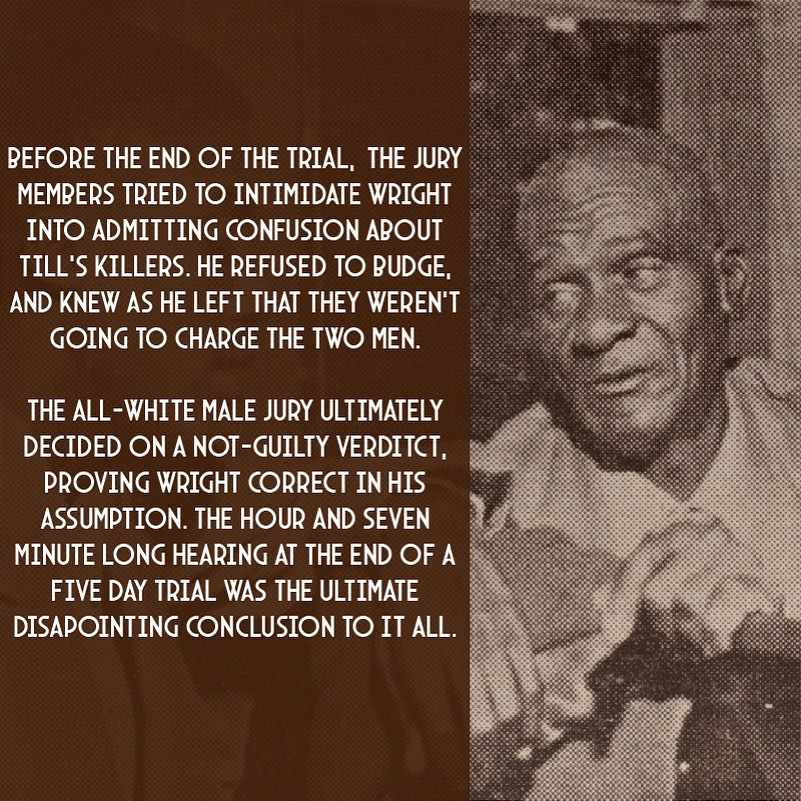
The “Emmett Till and Mamie Till-Mobley: Let the World See” exhibition –
DuSable Black History Museum and Education Center
@ ALL RIGHTS RESERVED – Iforcolor.org/Dale Shields
NO COPYRIGHT INFRINGEMENT INTENDED